Ten years, one stubborn conviction: technology is a fuel for business outcomes — not an end in itself. That belief took us a decade to fully figure out how to deliver. Here's the story of how we got there.
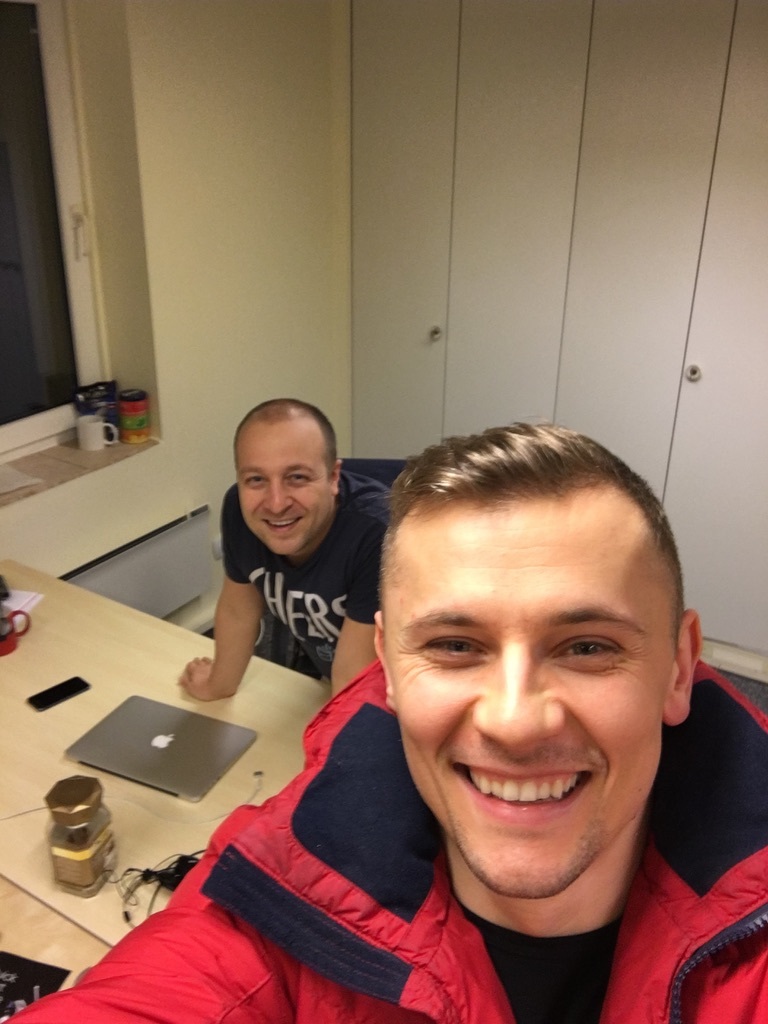
Digital Forms was founded in February 2015 by Cezary Bielecki with a single employee (Mariusz Graczkowski) and a shared conviction that technology should do more than ship features — it should move a business forward in a measurable way.
For the first four years, the work was predominantly mobile development. The team stayed small, deliberately. Cezary wasn’t building a consultancy yet — he was learning the craft: how software gets built, how clients think, how technology lands inside real organisations.
Revenue hovered in the PLN 2–3M range. Headcount stayed around ten. On paper, it looked like a small agency finding its feet. Beneath the surface, a different question was slowly forming: what if the job wasn’t to build what clients asked for — but to figure out what they actually needed?
In 2019, a friend — Przemek Wójcik — showed Cezary a pitch deck he had built at a previous employer. It was a digital transformation proposal for a major European airline company.
Moving from a development shop to a consulting firm is not a rebrand. It is a complete relearning of how to create and communicate value. It took four years. Cezary describes them as the hardest in the company's history.
"Development is simple — you ask the client what they want to build. Consulting and actually delivering value is completely different. As a developer, I had to learn how sales works, how marketing works, how to frame a value proposition, how to have a different kind of conversation with a client, how to calculate ROI. We had to learn all of it. And only once we did — which took years — did things start to fly."
Around 2023, something shifted. The consulting approach — the diagnostic workshops, the ROI-ordered roadmaps, the CFO-ready output — started landing the way it was designed to. The pipeline changed. The conversations changed. The deals changed.
Revenue went from PLN 3M to PLN 14M in a single year. Headcount went from ten to fifty, and then to seventy. Not because the team had changed the vision — but because the market had finally caught up with a model that always made sense, once you could see it delivered.
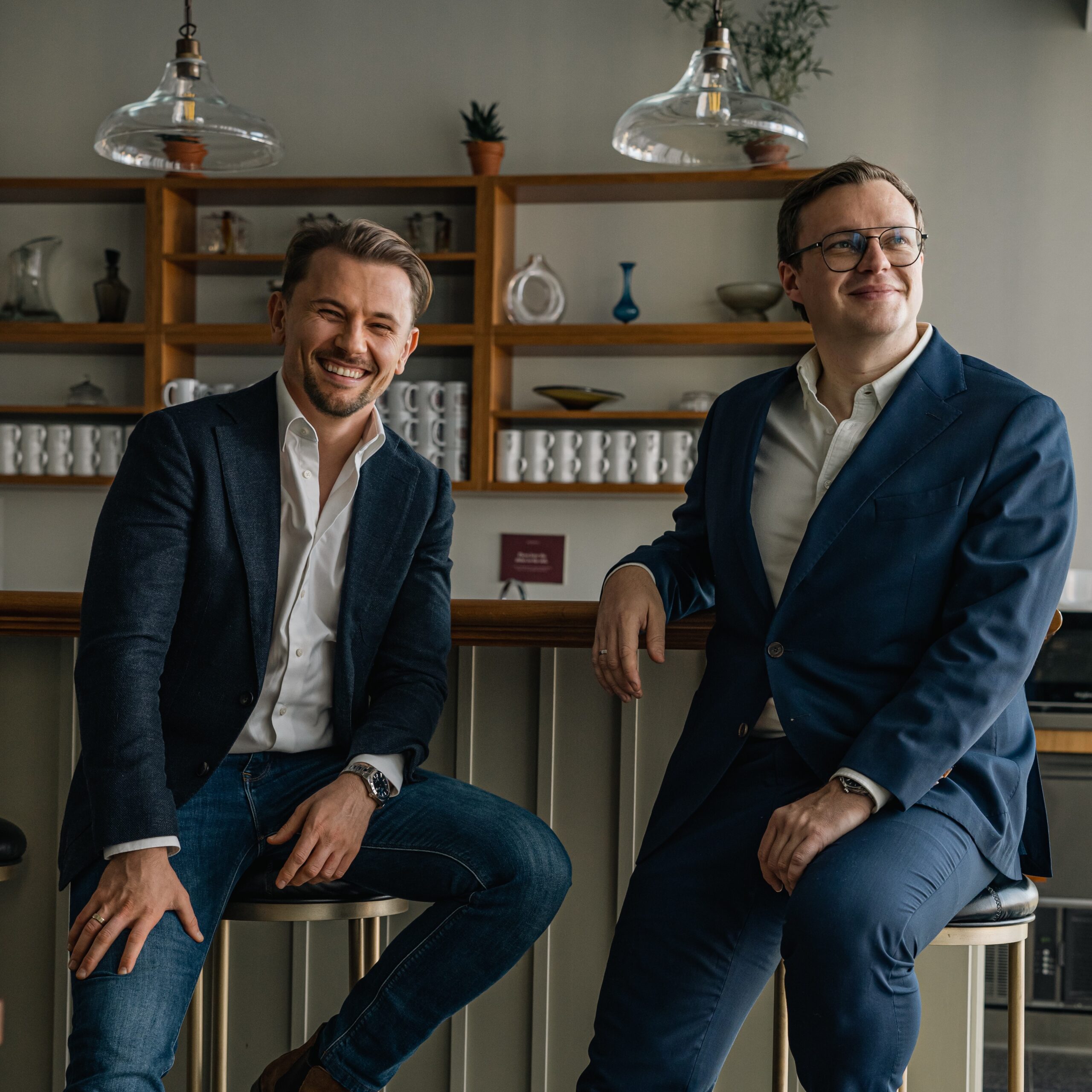
Digital Forms is led by its founders. Neither of them came from consulting. That's precisely why the model works the way it does.
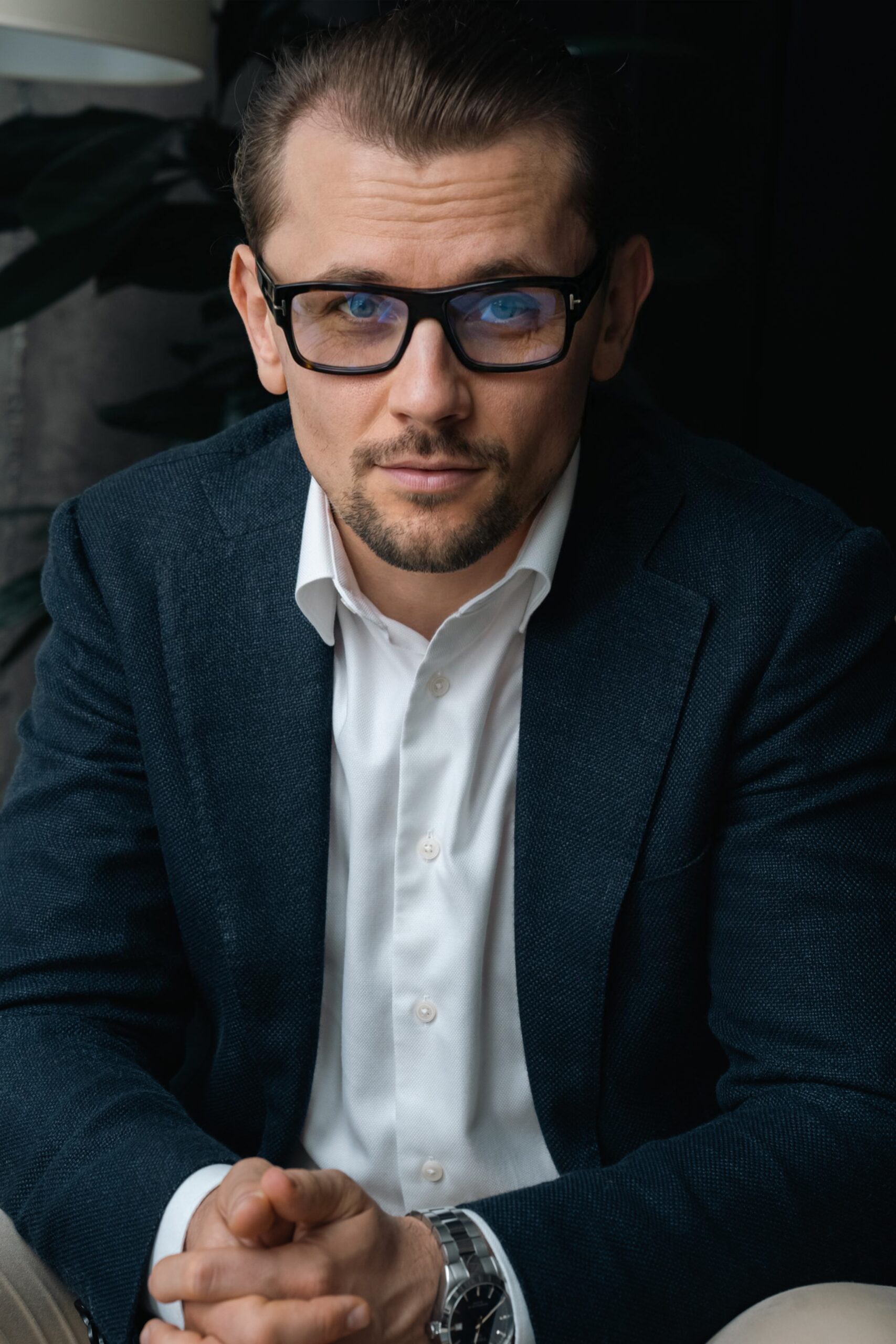
Cezary founded Digital Forms in 2015 with one employee and one conviction: technology should create measurable business value, not just ship features. He spent the better part of a decade figuring out how to make that conviction commercially viable — learning sales, marketing, value framing, and ROI calculation the hard way. The company you see today is the result of that decade of deliberate, often painful learning.
Przemek joined Digital Forms as co-owner after a career in corporate digital transformation — including a major airline's digital transformation that first showed Cezary what consulting-led change could look like. He brought the commercial architecture: how to frame transformation as a business case, how to price for outcomes, and how to build the kind of relationship with a CFO that turns a project into a multi-year partnership.
Digital Forms today is a consulting-led digital transformation firm. We work with mid-market and enterprise companies — most often in the US, UK, and Europe — to find where their operations are haemorrhaging value, and fix it. P&L first. Code second. ROI before quarter-end.
What hasn’t changed since 2015 is the underlying drive. Cezary never wanted to build technology for its own sake. The goal was always to make a real difference inside the companies we worked with — to treat technology and development as fuel for business outcomes, not as the destination.
It took ten years to fully figure out how to deliver that. We’re very glad we stayed in the harder lane.
See how we workStart with a free diagnostic. We map your biggest operational bottlenecks and attach a real number to each one — in four weeks. No obligation. No sales deck. You keep the findings regardless.
30 minutes · No obligation · No sales deck · You keep the diagnostic regardless