Claims automation for P&C insurers and TPAs
The re-keying inside every claim is the cost you can actually take out.
We find the high-frequency, low-judgment work buried in your claims flow and automate it, so you hold cycle times and compliance windows without adding examiners or replacing the core platform you already run.
Diagnostic · Operations Sprint · Embedded delivery
Your cost base is a room full of skilled people doing clerical work.
A claim is not a single transaction. It is a case file that moves through intake, coverage verification, routing, and, when it goes wrong, disputes and recoveries. At every step an examiner re-keys the same policy and claimant data into the next system, pulls a document from a portal, and records the decision. Multiply that across your book and the cost base takes on a clear shape: skilled people spending their day on data movement the systems should have done.
That is the Manual Wall, the growth ceiling a service operation hits when throughput is set by how many trained people are on the queue rather than by the systems underneath them. You can put a number on it with the Manual Wall Calculator.
Cost rises in a straight line with claim volume, and cycle time only improves while the new hires last.
Cost decouples from volume on the steps that carry no judgment, and the statutory clock is held by the workflow, not the roster.
| Hiring more analysts | Automating the re-keying |
|---|---|
| Cost rises in a straight line with claim volume | Cost decouples from volume on the steps that carry no judgment |
| Cycle time improves only while the new hires last | Cycle time holds through volume spikes and seasonal surge |
| Compliance windows depend on who is on the floor that day | Statutory and SLA clocks are held by the workflow, not the roster |
| Every new examiner re-learns the same manual workarounds | The workaround is removed once, then it stays removed |
Staffing to the manual work is getting harder to afford.
For most of the last decade a carrier or TPA could treat manual claims handling as a cost of doing business and simply staff to it. That option is narrowing, for three reasons that all push in the same direction.
None of these three is solved by adding people. Each is the Manual Wall arriving through the front door of a regulated, high-volume workflow.
We automate the clerical work first, because that is where the hours are.
A coverage call on a complex loss needs an adjuster. Re-typing the claimant's details into the third system of the morning does not. The parts that resist automation are the parts everyone notices, and they quietly protect a large volume of work that needs no judgment at all.
First notice arrives by phone, email, portal, and form, then someone keys it into the claims system by hand. We capture it once at the door and push it into the core platform structured, so the file opens ready to work instead of waiting for transcription.
Claims get assigned by whoever picks them up rather than by rule. We set the routing on severity, coverage type, and complexity, so simple claims move straight through and the hard ones reach a senior examiner on day one, not day four.
Statutory letters and audit trails are produced by hand against a clock. We generate the required documentation from the claim data as the file moves, so the SLA and regulatory windows are held by the workflow rather than by whoever is on shift.
One partner, from diagnostic to embedded delivery.
We do not hand you a slide deck and leave. We map the desk, build the automation on the tools you already own, and stay until it holds in production.
Pick the entry point that matches where you are.
Each engagement stands on its own, and each one leads naturally into the next.
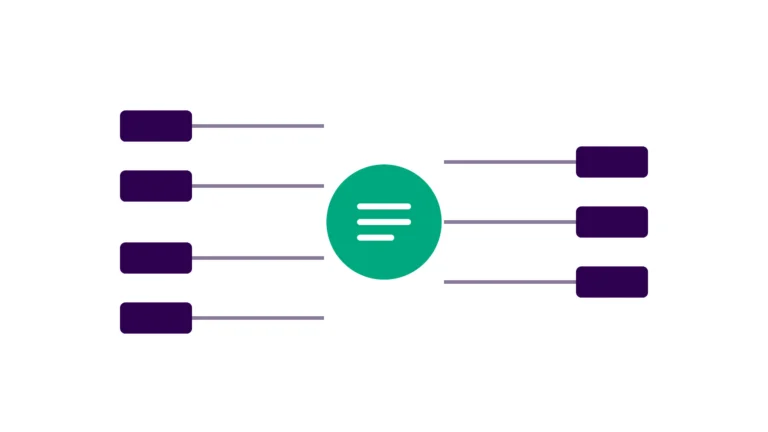
We follow the claims, quantify the leak, and hand back the ranked automation list. No build, no commitment.
A fixed-scope sprint that automates the highest-return steps on your current platform and leaves your team able to run it.
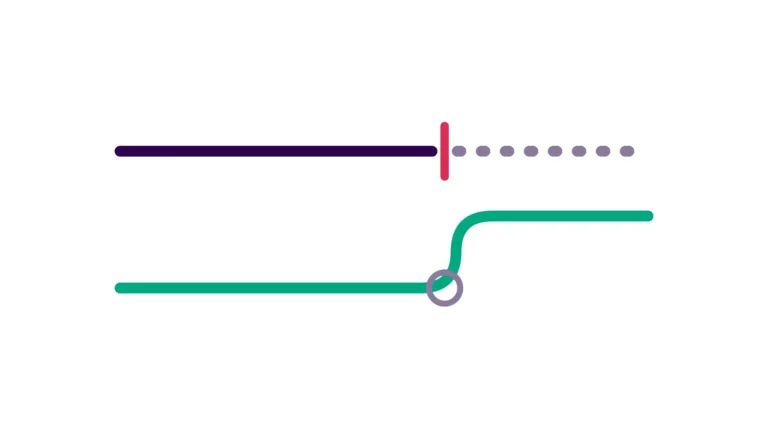
We sequence the whole operation into a phased plan, so you know what to automate first, next, and later, and what each phase returns.
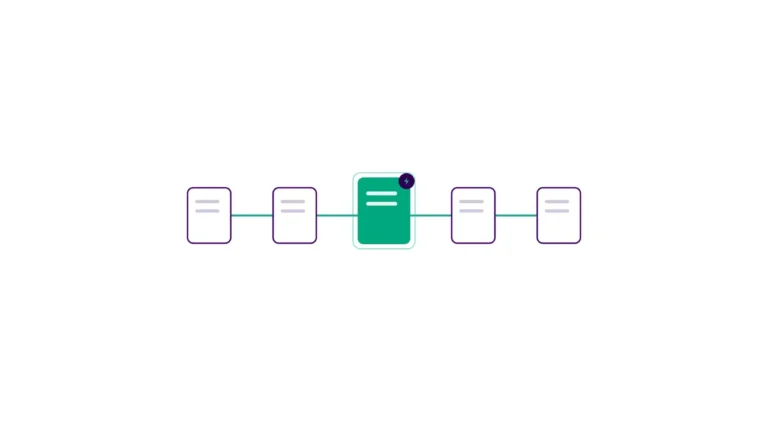
We take an ongoing External CDO role so the gains compound across the book instead of decaying after the sprint.
Want the thinking behind this? Read the claims automation pillar, the P&C and TPA breakdown, and why hiring more analysts won't fix the bottleneck.
What the first six weeks can look like.
This is the shape of the output, not a specific client result. The pattern is what we see on a mid-market P&C or TPA desk, and yours is set by your own baseline in the diagnostic.
Baseline (Week 0). Examiners re-key claimant, policy, and provider data across three or four systems per claim. Routing is manual. Statutory letters are produced by hand against the clock. The desk scales by adding seats.
| Workflow automated | What moves | Illustrative effect |
|---|---|---|
| Intake and FNOL capture | Data entered once at the door, pushed to core structured | Clerical hours per new claim fall sharply |
| Rules-based routing and triage | Simple claims move straight through, complex ones escalate on day one | Time-to-assignment drops from days to same-day |
| Compliance documentation | Letters and audit trail generated from claim data as the file moves | SLA and statutory windows held by the workflow |
Run-rate (post-Sprint). Examiner hours shift off clerical work and onto the claims that need judgment. Straight-through processing rises on the rules-based segment. Cycle time holds through volume spikes instead of degrading with them.
Simplified and illustrative. Your figures come from the diagnostic baseline, not from this page.
Insurance claims automation, answered.
What is insurance claims automation?
Insurance claims automation is the use of software to carry the high-frequency, low-judgment steps inside a claim, such as intake and FNOL data capture, routing and triage, and compliance documentation, so examiners spend their time on coverage and quantum decisions rather than data movement. It targets the clerical work around the claim, not the adjudication itself.
RPA, workflow automation, or document AI: which one actually does the work?
All three, in sequence, chosen by return rather than by vendor. Workflow automation connects the steps a claim moves through. RPA moves data between systems that were never integrated. Document AI reads unstructured attachments and correspondence. The diagnostic ranks which layer pays first on your desk, so you buy in the order that returns fastest.
Does straight-through processing apply to our book?
Straight-through processing works on low-value, rules-based claims where coverage is clear and the file is complete. On that segment it removes the examiner from the loop entirely. It does not apply to complex or contested claims, and overselling it beyond the rules-based segment creates rework. We size the segment before we automate it.
Will this rip out or replace our core claims platform?
No. We build on the systems you already run. The automation sits around your core platform and moves work through it, which is why a sprint lands in weeks rather than the multi-year timeline of a platform replacement. You keep your system of record.
How fast do we see the first result?
The Profit Leak Diagnostic maps your claims desk and returns a ranked automation list in about two weeks. The first Operations Sprint then automates the highest-return workflows in a fixed six-week window. You see the effect on examiner hours and cycle time inside that first sprint, not at the end of a year-long programme.

Tell us where your claims desk is stuck.
Send us the shape of the problem and one of the Digital Forms founders will come back to you directly. No SDR, no discovery-call funnel.