
Technology due diligence & value creation for private equity
The technology chapter your deal process is missing.
One partner who finds the operational upside and implements it — engaged from before the deal, through the hold, to the exit, so you're never handed a report to execute alone.
Technology diligence · Value creation · Embedded delivery
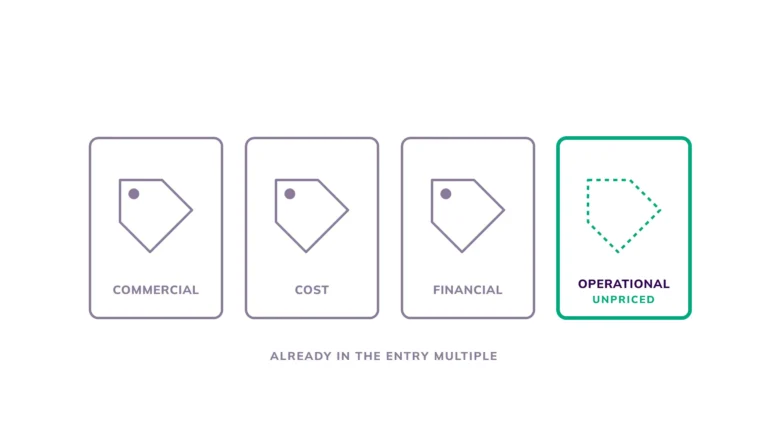
Technology is the biggest unpriced variable in the deal — and the one nobody owns.
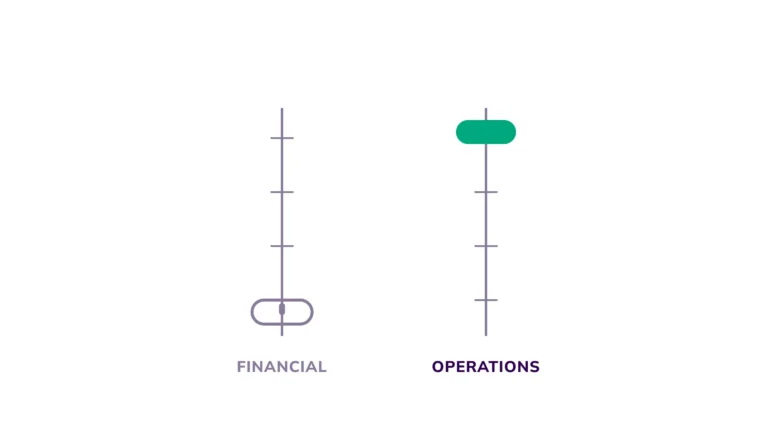
Commercial and financial diligence are covered. Then the technology read comes back as a risk report, gets filed, and the value creation plan gets written by people who won't be in the room to deliver it. The operational upside — the manual work, the automation gaps, the EBITDA hiding in how the business actually runs — is left on the table. That upside runs both ways: cost taken out of the operation, and throughput freed so the top line grows without new headcount.
A risk report handed over at close. You execute it alone, with advisors who've already moved on.
The same partner scores the risk pre-deal, co-authors the value creation plan, and embeds through the hold to deliver the EBITDA. One place, pre-deal to exit.
One partner across the whole deal lifecycle.
One place, pre-deal to exit: we find the operational upside and implement the fixes in a single engagement, and stay in it across the whole hold. Because we're in from the earliest stage, every stage after it is faster and lower-risk — the problems already mapped, the ROI already recovered before the work scales.
We're across the whole deal lifecycle, from first look to exit. We mark the stages in teal where we do the discrete, hands-on work; on the others we stay embedded and close to the deal, so nothing gets handed off cold.
Pick the entry point that matches where the deal is.
A fast filter before you commit, the core diligence once a deal is live, and the value creation plan once you own the asset.
Free, and the de-risked way in. A no-obligation call — around 30 minutes — where we look at the target with you and tell you quickly what we see. Real diligence budget only goes in once there's conviction, so a dead deal costs you nothing here.
“Where does the operational risk sit — and what's the upside worth?” A one-page read the deal team can price against, in three artifacts your investment committee can underwrite:
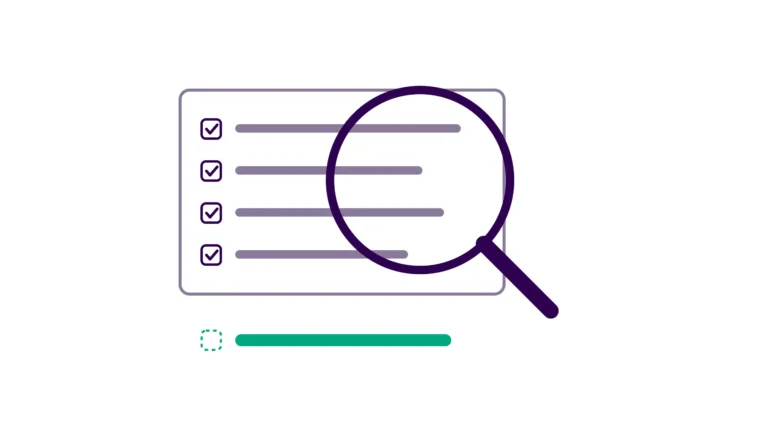
- Foundation Gate + risk registerFixed operational checks graded red, amber or green — colour-coded flags for the deal team to price.
- EBITDA Upside ModelOur differentiator: a conservative, confidence-rated read of the upside inside the operation.
- 100-Day Technology ChapterThe highest-ROI moves, sequenced for the first quarter post-close.
The DD upside model becomes the roadmap. The risk register becomes the backlog. A sequenced transformation plan with EBITDA attached to every quarter — and a team that stays to deliver it.
This is what the diligence actually produces — on one deal, end to end.
Vantage Fleet Solutions for Brookline Partners, 10 working days from data-room access. Every line is weighted by its source: HARD their own document · STRONG management’s answers · CONFIRM our read, needs verifying. Click any line for the finding beneath it.
The floor is what we’d defend in an investment committee. The range is what the business becomes if the plan runs. Simplified & illustrative.
Running an asset you already own? The PE engagement is the same discipline applied to the deal — see the Profit Leak Diagnostic and Operations Sprint we run for portfolio-company teams.
What a value creation plan looks like.
Same worked case, carried straight from the diligence — the risk register becomes the backlog, the upside model becomes this bridge. $495K of new EBITDA by Year 3, from work that needs no new core system. Simplified & illustrative.
● Same worked case · Vantage Fleet Solutions for Brookline Partners — illustrative, fictional · plan written at close, 5-year hold.
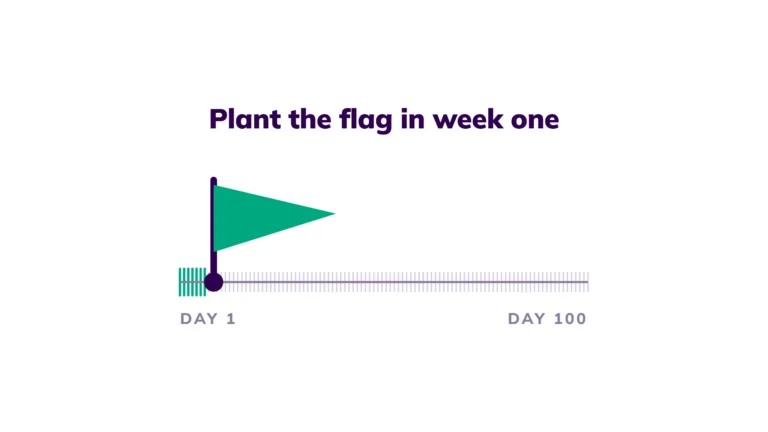
Every line traces back to a finding in the diligence — no re-discovery, same numbers. The plan starts executing in week one.
Bring us in on your next target.
Real diligence budget spent on a deal you don't win is money you don't get back. Start with a free, no-obligation call — around 30 minutes — where we look at the target and tell you quickly what we think, so the serious budget only goes in once you've got conviction.
Book a free callWe need data-room access, one C-suite + one CTO/ops session, and a live system demo. Full briefing back in two weeks.
Start a diligence

Technology due diligence for private equity, answered.
What is technology due diligence for private equity?
Technology due diligence for private equity assesses a target's software, data, processes and automation gaps to quantify both operational risk and the EBITDA upside hidden in the way the business runs. Our diligence produces three artifacts an investment committee can underwrite: an operational risk register, a confidence-rated EBITDA upside model, and a 100-day technology plan.
How is this different from a traditional IT due diligence?
A traditional IT due diligence hands you a risk report you're then left to execute alone. We stay engaged: the same partner who scores the risk pre-deal co-authors the value creation plan and embeds through the hold to deliver the EBITDA. The diligence upside model becomes the roadmap; the risk register becomes the backlog.
When in the deal should we bring you in?
Two entry points. If you're still evaluating a target, start with a free, no-obligation consultation — around 30 minutes to look at the target and tell you quickly what we think, before any diligence budget is committed. On a live deal post-term-sheet, go straight to Technology Due Diligence, with findings back in two weeks.
Do you work on the fund side or with portfolio companies?
Both. The fund starts with the free consultation and buys the technology due diligence pre-close; the portfolio company CEO buys the value creation plan and delivery after close. Prove the playbook on one asset and it deploys across the portfolio — same discipline, standard tools, no vendor lock-in, so every portco owns what we build at exit. Because we're in from the earliest stage, every stage after it is faster and lower-risk. For portfolio-company operators specifically, our Growth Readiness Roadmap and External CDO carry the delivery.
What does the 100-day technology plan include?
The highest-ROI operational moves sequenced for the first quarter post-close — the quick wins that stop the EBITDA bleed first, then the foundations that scale. It's drawn straight from the diligence, so delivery starts on day one with zero ramp-up.



Tell us where the deal stands.
Evaluating a target, mid-diligence, or already holding the asset — start the conversation and we'll take it from there. First reply from a founder, not a form.