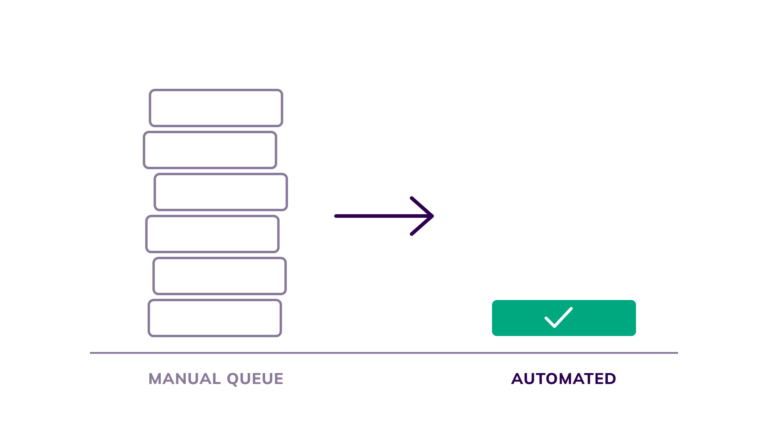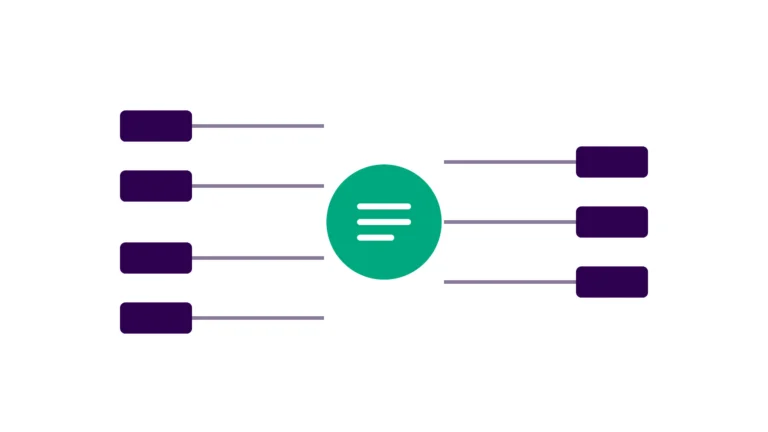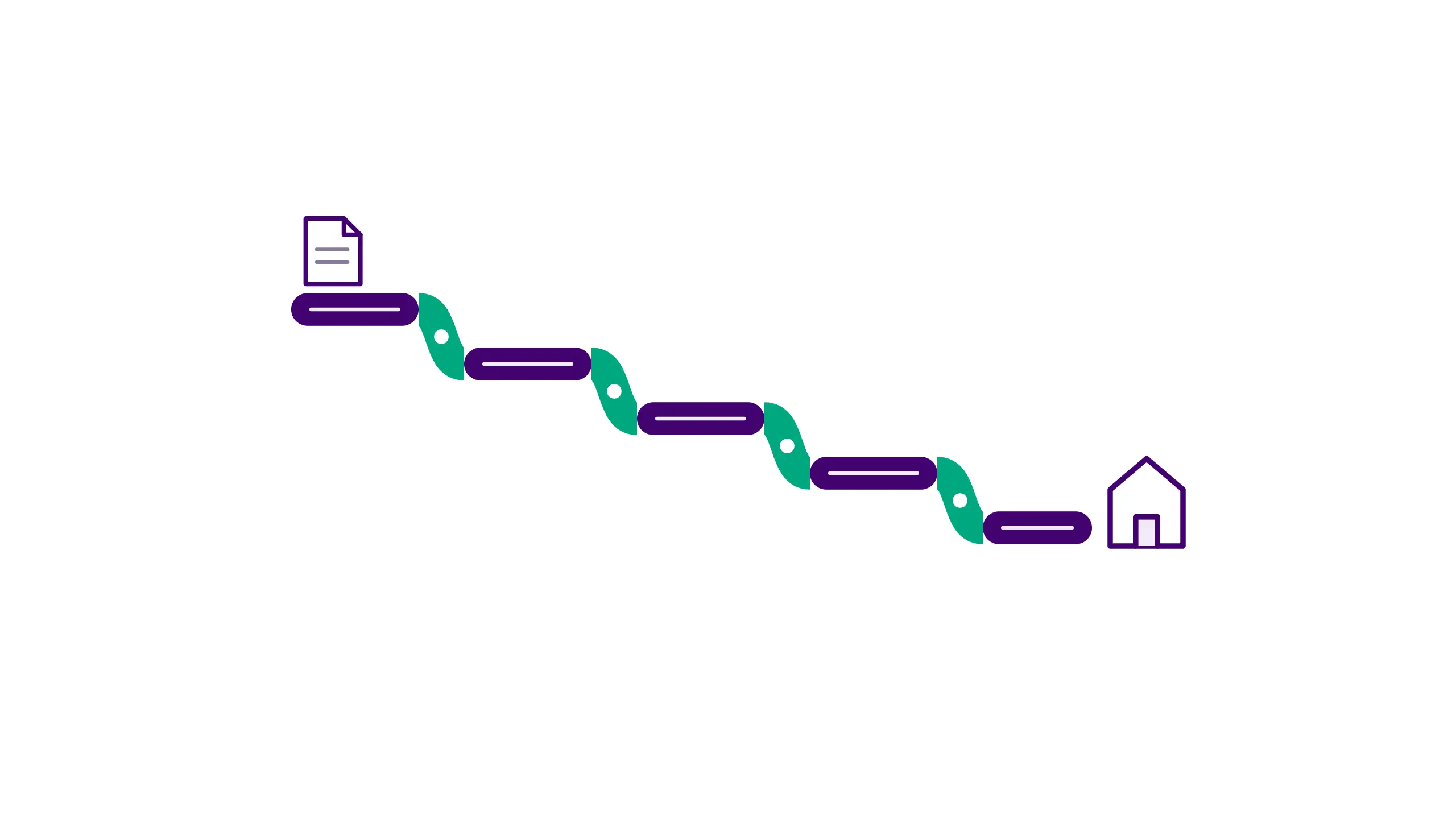

Under Regulation X, a servicer generally cannot make its first foreclosure filing until a loan is more than 120 days delinquent (12 C.F.R. § 1024.41(f)), and once a borrower has a complete loss-mitigation application in review, the same rule bars the servicer from advancing the foreclosure at all. Those two constraints, the 120-day gate and the prohibition on dual tracking, are the tell that default servicing is not one desk clearing a queue. It is a regulated pipeline in which a loan moves between collections, loss mitigation, foreclosure, bankruptcy and investor claims, and every hand-off between those stages is a compliance event with a date attached to it.
Default servicing is a pipeline, not a desk
Performing servicing is largely a payment-processing operation that runs quietly as long as borrowers pay. Default servicing is the business of managing loans that have stopped behaving, and its workload spikes exactly when the economy turns and the volume arrives all at once. A single non-performing loan can pass through delinquency outreach, a loss-mitigation review, a foreclosure referral, a bankruptcy filing, and an insurer or investor claim after liquidation, sometimes doubling back when a borrower re-applies for help after foreclosure has already started. Each of those stages lives in a different system, follows a different rulebook, and is worked by a different team.
The whole servicing operation shares one automation logic, and we have written about where to automate the servicing case file first across performing and non-performing loans alike. Default servicing is the part of that operation where the case file is most heavily regulated, most multi-staged, and most expensive to work by hand, because the cost is not one clerical wrapper but a new wrapper at every stage transition. The reason it stays manual is what we at Digital Forms call the Human API problem in its most acute form: people are the integration layer carrying a loan and its documents between the servicing platform of record, the foreclosure attorney network, the bankruptcy court docket, and the investor portal, because none of those systems was ever built to pass a defaulted loan to the next.
What counts as default servicing?
Default servicing is the set of activities a servicer performs once a loan becomes delinquent and moves toward resolution, spanning collections, loss mitigation, foreclosure, bankruptcy administration, investor and insurer claims, and the management of any real estate owned at the end. It is distinct from performing servicing because almost none of it is routine payment handling. It is case work, each file carrying its own regulatory clock, its own required documents, and its own investor rules layered on top of the federal ones. Default servicing is also where a servicer’s margin is defended or lost, because it is the part of the book where the servicer itself carries real financial exposure through advances, compensatory fees, and forfeited claims.
That distinction is what makes automation in default a different exercise from automating a performing book. In a performing operation the volume is high and the rules are uniform. In a default operation the volume is lower but the per-file complexity is far higher, so the return does not come from processing millions of identical transactions. It comes from taking the manual assembly, re-keying, and deadline-watching out of a file that changes shape every time it crosses from one stage to the next.
Why the default pipeline punishes manual work now
The regulatory clocks in default are unforgiving in a way performing servicing rarely is. The 120-day gate before a first foreclosure filing, the dual-tracking prohibition that halts foreclosure the moment a complete loss-mitigation package lands, and the state-specific foreclosure timelines that run underneath all of it are hard deadlines, not guidelines. When a servicer misses an investor’s required foreclosure timeline, the cost is direct: Fannie Mae and Freddie Mac both assess compensatory fees for unreasonable delays, so a blown timeline in a manual foreclosure queue is a fee the servicer eats rather than a number a borrower ever sees.
Volume is the second pressure, and it arrives without warning. A default operation staffed to a benign delinquency environment cannot hire and train a foreclosure or bankruptcy specialist fast enough to absorb a sudden wave, because that expertise takes months to build and the timelines start running on day one. This is the same trap we described for insurance, where adding analysts does not fix a processing bottleneck that is structural rather than a matter of capacity. A default desk that meets a delinquency spike with a hiring plan is buying scarce specialists at the worst possible moment for margin, and carrying them long after the wave recedes.
There is also an audit dimension that performing servicing rarely faces. Investors and insurers examine default handling closely, as do the master servicers above a sub-servicer, because default is where their losses are decided, and a manual default operation keeps its evidence in people’s inboxes and spreadsheets rather than in a system of record. When an investor audit asks why a file missed a milestone, or a regulator samples loss-mitigation decisions for consistency, the servicer that can produce a clean, time-stamped trail of every action answers in an afternoon, while the one running on manual process spends weeks reconstructing what happened from fragments. That cost stays invisible until an audit lands, which is why it rarely makes the case for automation on its own, and why it belongs in the case anyway.
Where the hours hide across the default stages
The instinct is to picture default work as the loss-mitigation review, because that is the stage borrowers and regulators talk about most. The loss-mitigation workflow does carry real clerical load, and it is covered in depth in our servicing piece, but it is only the first of several stages where the hours pile up, and the later stages are the ones almost nobody automates.
Foreclosure processing is the clearest example. Referring a loan to an attorney means assembling a referral package from documents scattered across the servicing system, the origination file, and the custodial vault, then tracking the matter through a state-specific sequence of filings while a person watches for any loss-mitigation activity that would require an immediate hold under the dual-tracking rule. That hold-and-restart logic is exactly the kind of rule a machine enforces perfectly and a tired analyst enforces unevenly, which is why foreclosure automation tends to pay both in recovered hours and in avoided compliance findings.
Bankruptcy is the stage that quietly consumes specialists. When a borrower files, the servicer has to lodge a proof of claim, monitor the case docket, file motions for relief from stay where appropriate, and issue payment-change notices on a schedule the court sets rather than one the servicer controls. Each of those is a document assembled from the same underlying loan data, re-keyed into a court-specific format under a deadline, and the work does not scale with anything except the number of filings.
Then there are the two stages that rarely make it onto an automation roadmap at all. Investor and insurer claims, filed after a loan liquidates, require assembling a claim package to FHA, VA, a GSE, or a mortgage insurer against strict filing windows, and a late or incomplete claim is lost recovery the servicer simply forfeits. Alongside them sits the reconciliation of corporate advances, the attorney fees, property-preservation costs, and inspection invoices a servicer lays out during default, each of which has to be checked against allowable-fee schedules before it can be recovered. Handling that invoice flow by hand is why “default servicing invoice automation” is a search a servicing operator actually types, and it is a genuine leak, because unrecovered advances fall straight to the bottom line.
The money at stake in the back half of the pipeline is easy to underestimate because it never forms a visible queue. Take the corporate advances on a single foreclosed file in a judicial state: attorney fees across a multi-stage filing, several property inspections, a preservation vendor’s invoices, and force-placed premiums, each governed by an allowable-fee schedule that differs by investor. A specialist reconciling those by hand against the schedule, under time pressure, tends to under-claim rather than risk a rejected line item, so the servicer recovers less than it is owed on the file and never sees the aggregate. Across a portfolio the gap between what was advanced and what was recovered becomes a standing number, invisible precisely because no single file’s shortfall is large enough to investigate. Automating the reconciliation against the fee schedules is what turns that silent leak into a figure the operation can actually recover.
What to automate first in a default operation
Sequencing in default follows the same evidence-first discipline we apply everywhere, but the highest-return target is usually different from a performing book. In performing servicing the answer is often document intake, because every file passes through it. In default the biggest recoverable cost is more often the deadline and document orchestration that spans stages, the connective work that makes a person the reason a file moves from loss mitigation to foreclosure to claim on time and with the right paperwork.
It is why we start with measurement rather than a tool decision, and it is what a Profit Leak Diagnostic is built to produce for a default operation: an honest count of where the specialist hours and the timeline risk actually concentrate across the stages, before anyone commits to a build. Operators routinely assume the loss-mitigation desk is the drain and discover that the foreclosure referral package, assembled by hand on every file, or the compensatory fees leaking out of a manual timeline, is the larger number.
From there the first build stays deliberately narrow, a single stage transition automated end to end so it can go live in weeks and show a result the operation can measure, which is what an Operations Sprint delivers. A default operation does not need a multi-year platform programme to stop leaking compensatory fees; it needs the timeline orchestration for one investor’s loans running in production, proving the number, before the next stage is taken on.
What this does to the operation
Picture a mid-market default operation described as a pattern rather than a named servicer. Specialists spend their days assembling referral packages, re-keying loan data into court and claim formats, and manually watching which files are approaching an investor timeline, and the last delinquency uptick has already started the conversation about another hiring round. The combined effect of automating the stage orchestration is that the same specialists carry more files, because the clerical assembly around each decision shrinks while the decisions themselves stay with the people qualified to make them.
The compliance benefit is harder to put on a dashboard but it is real. A dual-tracking hold that fires automatically the moment a complete application arrives, a bankruptcy payment-change notice generated on the court’s schedule, and a claim package assembled before its filing window closes are all events where the manual version is where findings and forfeited recoveries come from. Taking them off human memory is what turns a default operation from something that survives a volume swing by hiring into something that absorbs it.
Where a default servicer should start
If any of this is recognisable, the first move is the same one that governs the rest of the servicing operation: measure before you build. Get an honest figure for what a defaulted file costs to work across its whole life, which stage transitions carry the most timeline risk, and how much recoverable cost is leaking through late claims and manual advance reconciliation. That figure is usually the one nobody has, and putting it on the table is what makes the Manual Wall in a default operation impossible to keep treating as the unavoidable price of running a default desk.
The delinquency environment will move with the economy, and no servicer controls that. What a servicer does control is whether the next wave of non-performing loans meets a pipeline held together by specialists and memory, or one where the regulated hand-offs run in software and the specialists are left to do the judgment the machine cannot.