
When a policyholder reports a loss, a regulatory clock starts. California’s Fair Claims Settlement Practices Regulations give an insurer 15 calendar days to acknowledge a claim once it is received (10 CCR § 2695.5(e)), and that acknowledgment duty traces back to the NAIC’s Unfair Claims Settlement Practices Model Act that most states have adopted in some form. The clock begins at first notice of loss, the moment the claim enters your operation, well before anyone adjudicates anything. FNOL automation is about what happens in those first minutes, and whether your intake step helps or hurts everything that follows.
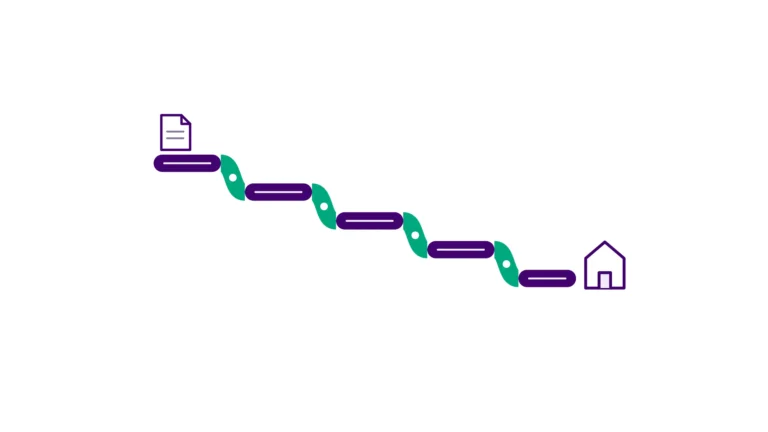
First notice of loss, or FNOL, is the intake step that opens a claim file. It is where a carrier or a third-party administrator captures the first structured record of what happened: who reported it, when the loss occurred, what was affected, and under which policy. FNOL automation turns that capture from a manual, re-keyed task into a structured intake that feeds the claims system cleanly. For most mid-market property and casualty operations, intake is also where the Manual Wall first appears in claims. People sit between the phone call, the emailed PDF, the broker’s spreadsheet and the claims platform, retyping the same loss details into the system of record. That is the Human API problem in its most literal form: staff acting as the connective tissue between channels that were never built to talk to each other.
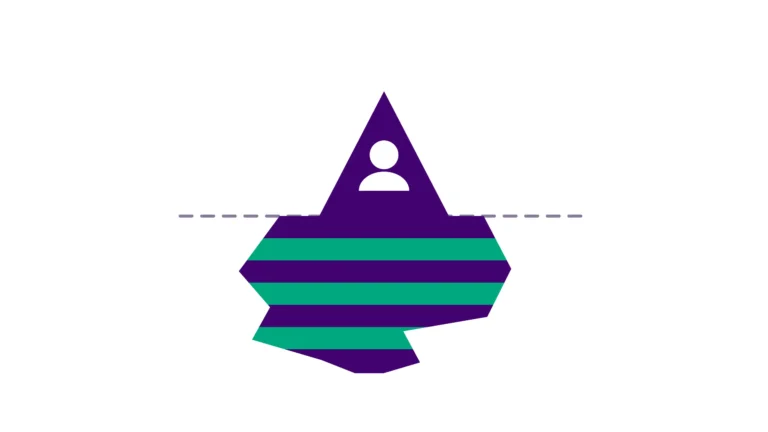
The reason this step deserves attention before the flashier parts of claims work is that intake sets the ceiling on everything downstream. A claim that enters with missing fields, a mistyped policy number, or an unreadable attachment forces a re-contact, and every re-contact burns a day against that acknowledgment clock. Worse, it corrupts the data that adjudication, reserving and payment all depend on. You cannot straight-through-process a claim later if the record it started from was wrong at the front door.
What is FNOL automation?
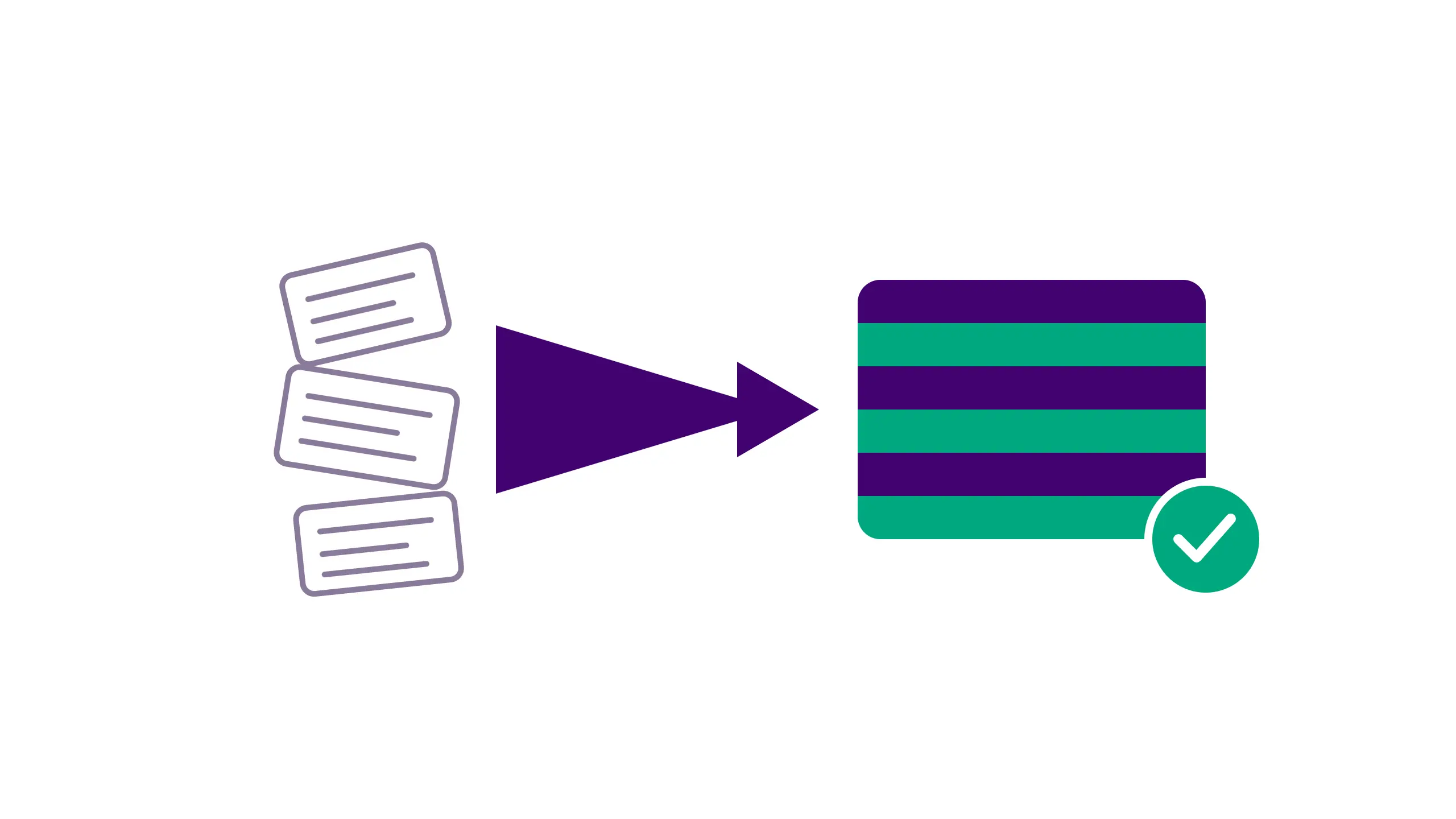
FNOL automation is the set of changes that let a claim be reported, validated, and opened into the claims system with little or no manual retyping. At its simplest, it means a policyholder or broker submits loss details through a structured channel, the system checks those details against the policy in force, and a clean claim record is created and routed, all without a person rekeying anything.
That is a narrower definition than the broad category of claims automation, which covers the whole file from intake through adjudication to payment. Intake is one stage of that chain, and it is the first. Getting it right is what makes the later stages possible, which is why we treat it as its own piece of work at Digital Forms rather than folding it into a general automation project.
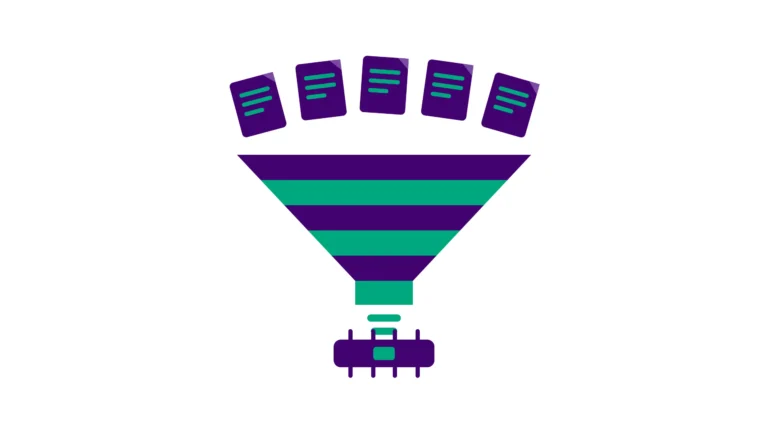
A useful way to think about intake is as three jobs happening at once: capture (getting the loss details in), validation (checking them against the policy and for completeness), and routing (sending the claim to the right queue or handler). Manual intake does all three with human attention. FNOL automation moves capture and validation to the system and reserves human judgement for the claims that genuinely need it.
What can you automate at first notice of loss, and what still needs a person?
Intake arrives through several channels, and they do not automate equally. A structured web form or a standard ACORD submission already carries clean, labelled data, so the system can validate and open the claim with no human touch. A phone call or a free-text email is messier, because the details have to be extracted before they can be checked, and extraction is where accuracy slips.
The honest boundary on touchless intake is narrower than most vendor material suggests. Research on straight-through processing in insurance, including a 2026 study on agentic and retrieval-augmented models in straight-through underwriting, found that fully automated decisioning holds up well for simple, complete cases and gets fragile fast in multi-step or missing-information scenarios, where it needs structured retrieval and a human in the loop to avoid unsupported decisions. The same caution applies at intake. A clean auto-glass claim with a matching policy and a clear date of loss can open itself. A commercial property claim with an ambiguous cause of loss, a lapsed-looking policy, or a third-party injury should route to a handler before anything is decided.
So the practical split is this. Automate the capture and validation of structured, low-complexity reports, and automate the routing decision that sends everything else to the right person quickly. Do not try to make judgement calls touchless at the front door, because an inappropriate auto-acceptance or auto-rejection at intake is far more expensive to unwind than a few seconds of human review would have cost. The question worth asking of any intake channel is not whether it can be automated in theory, but how clean its data arrives and how often it would need a human anyway.
If you are weighing which underlying technology does which part of this, the split between rule-based automation and document AI matters, and we covered that trade-off in detail in RPA versus AI in claims automation. Intake tends to need both: rules for validation and routing, document AI for reading the messy inbound formats.
Why automate claims intake before adjudication?
The instinctive place to start a claims automation project is adjudication, because that is where the visible labour sits and where the backlog is loudest. Starting there is usually a mistake when intake is still manual, because adjudication automation built on dirty intake data inherits every error the front door let through.
It is why we sequence every engagement in ROI order at Digital Forms, biggest recoverable cost first, and in claims the recoverable cost often hides at intake rather than at the decision step. When the claim record is clean and complete from the first notice, the adjudication step that comes next has something reliable to work with, and straight-through processing becomes realistic for the simple cases. When intake is a mess of re-keyed fields and chased-down attachments, no amount of downstream cleverness compensates.
There is a second reason intake comes first, and it is about the regulatory clock from the opening of this piece. Acknowledgment and action timelines start at first notice, so any delay you remove at intake is a delay removed from the part of the process the regulator actually measures. Faster adjudication shows up in your P&L; faster intake shows up in your P&L and in the compliance metric the regulator is timing, which is the practical reason it earns the first effort rather than the second.
What does manual FNOL intake actually cost?
The cost of manual intake is easy to miss because it is spread across people rather than concentrated in a line item. It shows up as re-contact cycles when a claim arrives incomplete, as rework when a mistyped policy number sends a claim down the wrong path, and as overtime when a volume spike hits a team that processes every notice by hand.
Adding people does not clear this. We wrote about why in the claims processing bottleneck piece: each new intake clerk learns the same manual workflow, absorbs the same workarounds, and adds capacity without removing the structural cost. The team gets bigger and the Manual Wall gets taller, because headcount is compensating for intake that was never designed to run without it.
The economics bite hardest for third-party administrators, where client service-level agreements put hard deadlines on acknowledgment and first contact, and a missed intake SLA is a contractual problem rather than just an internal one. We laid out that margin pressure in the TPA claims automation piece. For a TPA, slow or error-prone intake is a direct threat to renewal, which is why the front door is often the right place for them to start.
None of this requires inventing numbers to feel the weight of it. If your operation processes a few hundred notices a month and each incomplete one costs a handler two or three follow-up touches, the annual hours tied up in chasing clean data are substantial, and they are hours spent on rework rather than on the claims that need real judgement.
See exactly where your claims operation is leaking margin.
Our claims automation services start by mapping where manual work sits in your file, from first notice to payment, and what it costs you.
What good FNOL automation looks like in practice
The carriers and TPAs that have intake under control look different from the ones that do not, in ways visible on the operations floor rather than in a strategy deck. Structured channels carry most of the volume, so brokers and policyholders report through forms and standard submissions rather than free text wherever possible. Validation happens at the point of capture, so a claim with a missing field or a policy mismatch is flagged back immediately instead of entering the system to fail later. Routing is automatic and fast, so complex claims reach a human handler within the acknowledgment window rather than sitting in an undifferentiated queue.
The result is a claims team that spends its attention on the files that need judgement rather than a fully touchless department, while the clean, simple notices open themselves and the messy ones are triaged to the right person on day one. The data that adjudication, reserving and reporting all draw on is correct from the start, because it was validated at the moment it entered.
Getting there is a scoping problem before it is a technology problem. The work is to find which intake channels carry your volume, where the re-keying and re-contact actually happen, and which claim types are safe to open automatically. That is the kind of mapping our Profit Leak Diagnostic is built to produce, a ranked view of where manual work is costing you and what fixing it would return. From there, the first build is deliberately contained: an Operations Sprint that gets one intake channel validating and routing cleanly, with the result visible inside a few weeks rather than after a year-long programme.
Where to start
If claims intake is still manual in your operation, the first move is a measurement rather than a platform decision. Find out how many of your incoming notices arrive clean enough to open without a follow-up, how long acknowledgment actually takes against the deadline you are held to, and which claim types are simple enough to open automatically once the data is trustworthy. Those three answers tell you whether intake is your biggest recoverable cost or whether it sits behind something else in the file.
What you should resist is the pull to automate the loudest step instead of the first one. The claims backlog screams from adjudication, but the data that makes adjudication hard is often decided at a front door nobody has looked at closely. Fix what the policyholder’s first call becomes before you try to fix what your adjusters do with it, and the rest of the file gets easier to automate for the right reasons.