
The benefit enrollment file has had a national standard since the early 2000s. The HIPAA-mandated EDI 834 transaction was supposed to make moving enrollment and eligibility data between an employer, an administrator, and a carrier a clean electronic exchange. Two decades later the standard exists and the manual work has not gone anywhere, because the 834 defines the format of the message, not the reconciliation, the exception handling, or the discrepancy chase that happens when a carrier’s record and the administrator’s record disagree. That gap between a standardised transaction and the human work around it is where most benefits administration operations quietly lose their margin.
The operation grows, and so does the payroll behind it
A benefits administration operation scales in a way that looks healthy from the outside. More employer groups and more members, with more processors hired to keep the enrollments moving and the carrier feeds clean. The two lines rise together, which reads as a business winning in its market. Underneath, the cost of administering each member is not falling the way it should as the operation grows, because most of the work is still being done by people moving data between systems that were never wired to talk to each other. At Digital Forms we call the point where that catches up with a company the Manual Wall: the growth ceiling an operation hits when processor headcount, rather than workflow automation, is the mechanism absorbing volume.
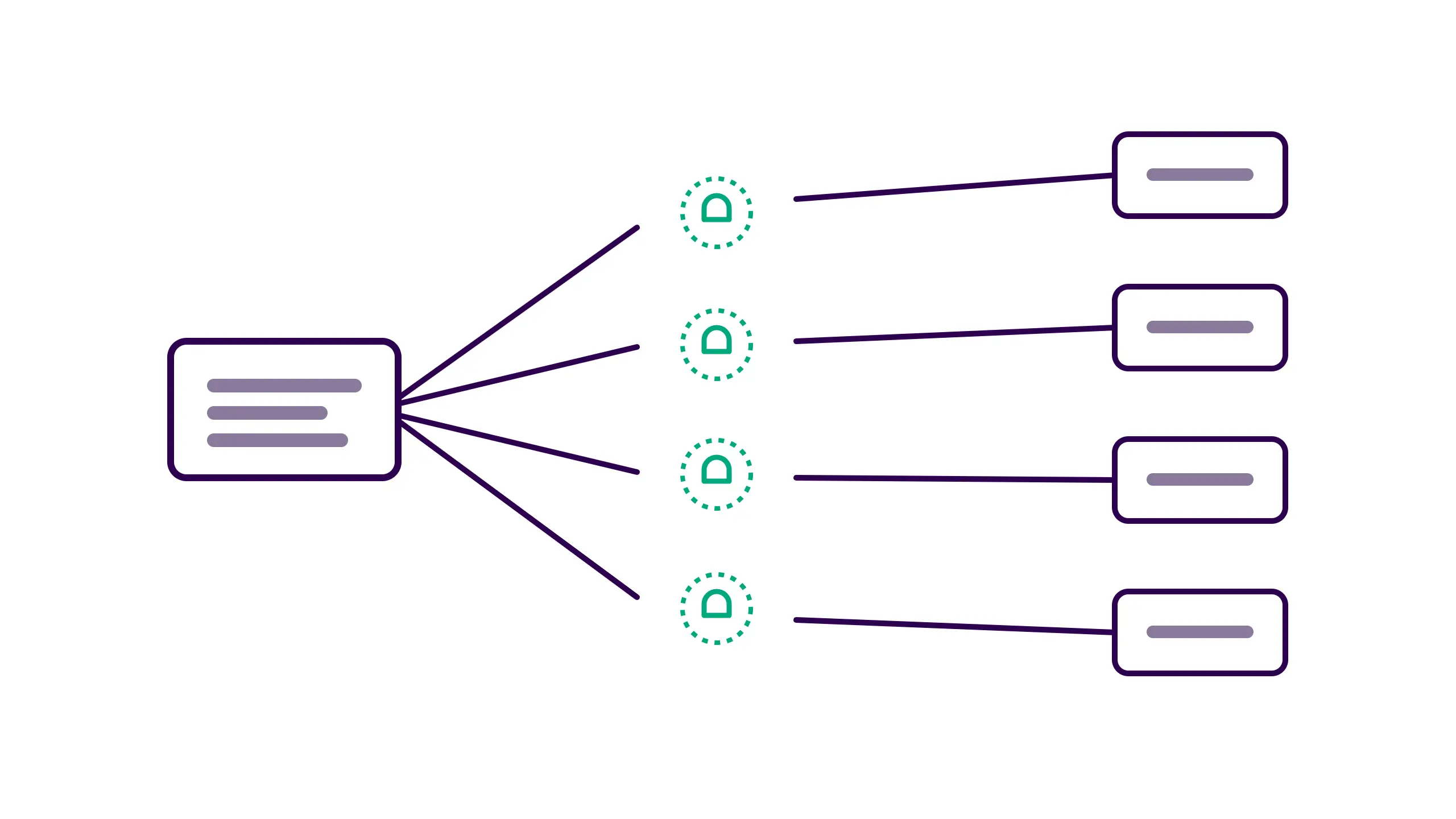
The benefits-admin version of the Manual Wall is specific and recognisable. Enrollment data arrives from an employer’s HRIS in one shape, gets keyed or loaded into the ben-admin platform in another, then flows out to a dozen carriers each with its own portal and file spec on its own cadence. When a member adds a spouse or changes a plan after a qualifying life event, that single change has to land correctly in every one of those places, and someone has to confirm it did. The Human API problem is the name for what fills that gap, the staff who spend their days re-keying and reconciling between the HRIS, the platform, the carrier portals, and the spreadsheets that track what the systems missed.
Why this bites harder now
Two pressures have made the manual layer more expensive than it used to be. The first is the compression of the calendar. Open enrollment concentrates a year’s worth of change into a few autumn weeks, and an operation that clears that surge by pulling in temps and overtime is buying the most expensive capacity there is to cover the work software should already be handling. The second is margin. Benefits administration is a thin-margin, high-volume business, and when the per-member fee is measured in single-digit dollars, the number of manual touches per member is not an operational detail, it is the P&L.
There is a measurable backdrop to this. The CAQH Index, the industry’s annual read on how administrative transactions actually get done rather than how the standards say they should, has for years reported that eligibility and enrollment work still carries substantial manual cost even where an electronic standard exists. The standard being available and the work being automated are not the same thing, and the distance between them is exactly the distance a benefits administrator is paying to cover by hand. An operation that treats that distance as unavoidable is treating a recoverable cost as a fixed one.
A third pressure runs underneath both of these. Benefits administration is bound to fixed external dates that do not move, from carrier effective dates to the ACA’s annual 1095-C reporting deadline, and an error caught late is not simply rework, it is a compliance exposure with a clock attached. When the reconciliation that would have caught that error is manual, the accuracy of the whole operation depends on people having enough time to be careful, which is the first thing that disappears when volume spikes. Manual accuracy and peak volume pull against each other directly, so the periods when the operation most needs to be right are the same periods when it has the least capacity to check its own work.
What is benefits administration automation, really?
The phrase usually gets read as a software category, a question of which ben-admin platform to buy. That framing is where most of the disappointment comes from, because the platform is rarely the thing that was missing. Most operations of any scale already have one. Benefits administration automation, in the sense that actually moves the cost line, is the automation of the manual work that persists around the platform, the loading and validation of inbound enrollment files, plus the reconciliation and discrepancy work on the outbound carrier feeds those files drive.
A useful way to see it is to separate two things that get blurred together. The ben-admin platform holds the system of record, applies plan rules, and produces the standard transactions. The manual bridging is everything that happens when reality does not match the record, a carrier rejects a file, an employer sends a mid-month change in a format the platform will not ingest, a member’s coverage shows active in one system and terminated in another. The platform is doing its job in all of these cases. The work of making the pieces agree is being done by a person, and that work is where the hours concentrate.
Which steps actually pay to automate first
The mistake operations make when they finally decide to attack the manual layer is to try to automate the whole file at once, which is slow and expensive, and it rarely finishes. The cost is not spread evenly across the benefits-admin case. It clusters in a few high-volume, repetitive steps, and finding those steps is most of the work of getting a return.
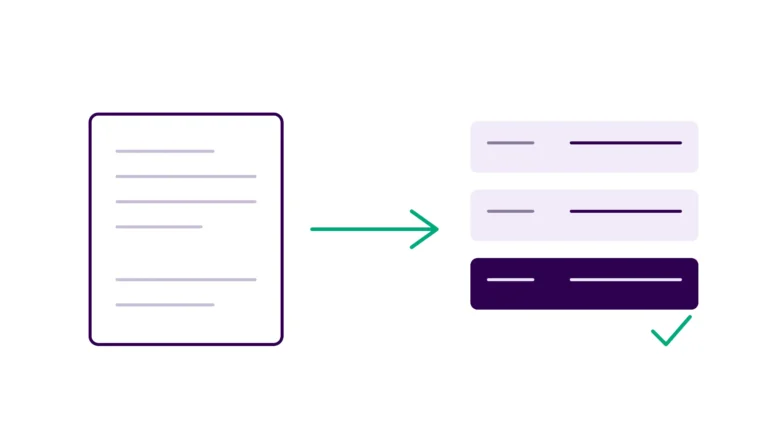
Carrier feed reconciliation is usually the first place to look. The outbound 834 goes to the carrier, the carrier sends back a response or a discrepancy report, and someone works through the mismatches line by line. This is rule-based, high-frequency work that stays painfully manual, which makes it a strong candidate for automation that pays quickly. Life-event and qualifying-event processing is a second concentration, because each event triggers a cascade of downstream updates that a person currently shepherds across systems. Inbound file validation is a third, catching the format and data errors in an employer’s file before they become downstream discrepancies rather than after. None of these requires replacing the platform. Each of them removes a specific, countable set of manual touches, and the same structural pattern shows up across regulated back-offices, which is why the diagnosis mirrors what we describe for claims automation in insurance.
The reason sequencing matters is that the first automated step has to pay for the next one. An operation that starts with the highest-volume reconciliation work sees the handling cost move before the appetite for the project runs out, and that early result is what funds the rest of the roadmap rather than a budget request that competes with everything else the business needs.
What your platform was never going to do
It is worth being direct about the limit of the software, because the gap is predictable. A ben-admin platform is built to hold the record and produce the standard message. It is not built to know that a particular carrier silently drops dependents over a certain age, or that one employer always sends terminations a pay cycle late, or that a specific plan’s rules were configured with an exception three years ago that nobody documented. Those are the things the experienced processors carry in their heads, and they are the reason the operation cannot simply hire less experienced staff to do the same volume. The knowledge lives in people because the workarounds were never built into a system.
That is the real constraint behind the Manual Wall in this vertical. The operation is not short of a platform, and it is not short of capable people. It is short of the automation that would let its capable people stop spending their expertise on reconciliation and spend it on the exceptions that genuinely need judgement. Adding processors buys more of the same manual capacity at a higher and higher cost per member, which is the opposite of what a scaling operation needs.
What this looks like inside a mid-market administrator
Picture the shape without a name attached. A mid-market administrator runs benefits for a few hundred employer groups and well into six figures of covered members, and it has grown that book steadily for several years by winning new groups and hiring processors to service them. Its ben-admin platform is capable and current, and its enrollment numbers look clean at the summary level. What does not show at the summary level is that a meaningful share of the processing team spends the bulk of each week on carrier feed discrepancies, working response files line by line and updating the same record across the two or three systems that disagree until they finally match.
During open enrollment that work multiplies, and the operation covers it with temporary staff who need weeks to become useful and overtime that erodes the per-member margin the business runs on. None of it appears as a line item, because reconciliation has no billing code and no invoice, and it is simply how the operation has always cleared its volume. The cost only becomes legible when someone counts the hours going into the repetitive share of that work and prices what recovering them is worth, which is the difference between an operation that suspects it is carrying manual drag and one that can put a defensible number on it.
How to find the manual work worth automating
The starting point is not a software decision, it is a measurement one. Before committing to any build, an operation needs to know where its handling cost and its deadline risk actually concentrate, which member actions consume the most processor time, which carriers generate the most discrepancies, and which steps put compliance dates at risk when volume spikes. Surfacing that is what we built our Profit Leak Diagnostic to do, because operators consistently underestimate how much margin is trapped in steps they have stopped noticing, and the diagnostic turns a vague sense that the team is stretched into a ranked list of where the money is.
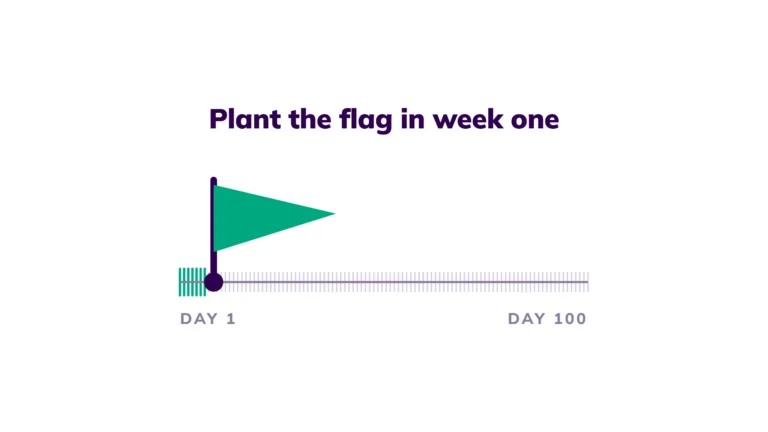
From there the discipline is to build narrow and prove it fast. Rather than a multi-quarter platform programme, the first move we make is an Operations Sprint that automates a single high-volume step, usually carrier feed reconciliation, and puts a working result live in weeks. If you want to size the prize before doing anything else, the Manual Wall Calculator gives you a first estimate of what the manual work is costing in real terms. The point of both is the same, to replace the assumption that the manual layer is just the cost of doing business with a number you can act on.
The question worth asking at the next headcount request
The next time a benefits administration operation reaches for another processor to keep up with volume, the useful thing to examine is not whether the person is needed to clear the current backlog, because they almost certainly are. It is whether the backlog exists because the work is genuinely growing or because the same reconciliation is being done by hand for the tenth thousandth time this year. One of those is a reason to hire, and the other is a reason to automate, and most operations have never separated the two clearly enough to know which one they are paying for.